Blue Patterns: A Comprehensive Guide to Digital Paper Sheets for Creative Projects
When it comes to designing and creating visual content, the choice of materials can significantly impact the final outcome. Blue Patterns is a digital resource that has gained attention among designers, artists, and creators who are looking for high-quality, customizable paper sheets in digital format. Unlike traditional printed paper, Blue Patterns offers a flexible and scalable solution that caters to a wide range of creative needs.
Understanding Blue Patterns
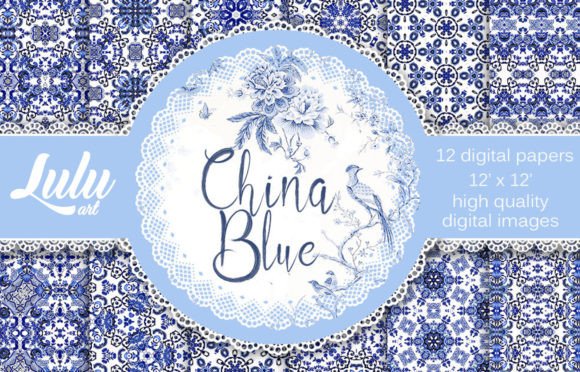
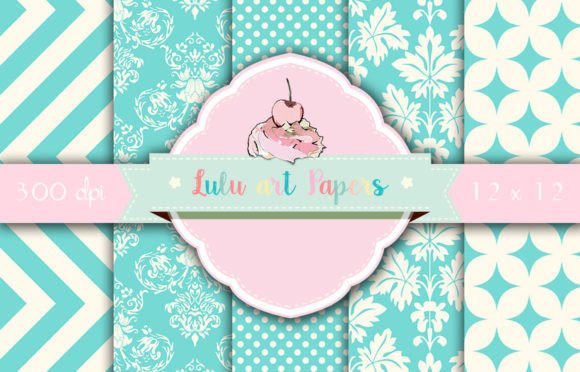
Blue Patterns provides users with a set of digital paper sheets designed for use in graphic design, print projects, and other visual applications. Each sheet measures 12 x 12 inches and is available in high-resolution JPEG format at 300 dpi, ensuring optimal quality for printing. The entire collection is compressed into a ZIP file, making it easy to download and access across multiple devices.
What sets Blue Patterns apart from similar digital resources is its focus on usability and adaptability. Users receive five distinct paper sheets, each with unique patterns and textures that can be customized to suit different design projects. This variety allows for greater creativity and flexibility, especially for those working on multiple projects or looking to maintain a consistent aesthetic across various outputs.
Comparing Blue Patterns with Similar Options
While there are several digital paper resources available on the market, Blue Patterns stands out due to its combination of quality, versatility, and ease of use. Many competitors offer similar products, but they often lack the level of detail and customization that Blue Patterns provides. For instance, some platforms may offer lower resolution files or limited color options, which can affect the final print quality.
Additionally, the ZIP file format used by Blue Patterns ensures that all files are easily accessible and compatible with most design software. This is particularly beneficial for users who work across different operating systems or need to share files with collaborators. The ability to unzip and access individual sheets without additional software is a practical advantage that enhances user experience.
Strengths and Limitations of Blue Patterns
One of the primary strengths of Blue Patterns is its high-quality output. The 300 dpi resolution guarantees that prints will maintain their clarity and detail, even when scaled up or printed on larger formats. This makes it an ideal choice for professional designers and hobbyists alike who require consistent results.
Another advantage is the variety of patterns available. Each sheet offers a unique design, allowing users to experiment with different aesthetics without the need for extensive customization. This diversity can be particularly useful for those who are working on multiple projects or want to create a cohesive look across different media.
However, there are also some limitations to consider. While Blue Patterns provides a good selection of digital sheets, it may not be suitable for users who require more specialized or custom designs. Those working on highly detailed or complex projects may find that the standard patterns offered do not meet their specific needs. In such cases, alternative solutions that allow for greater customization might be more appropriate.
When to Choose Blue Patterns
Blue Patterns is an excellent choice for individuals and businesses that prioritize quality, convenience, and versatility. It is particularly well-suited for those who frequently work on print projects, such as flyers, brochures, and posters. The high-resolution files ensure that the final output maintains its integrity, making it a reliable option for both personal and commercial use.
Additionally, Blue Patterns is ideal for users who value accessibility and ease of use. The ZIP file format simplifies the process of downloading and organizing files, while the clear instructions provided help users navigate the unzipping process with confidence. This makes it a great option for beginners or those who may not have extensive technical expertise.
Alternatives and Considerations
For users who prefer more customization, there are alternative digital paper resources that offer greater flexibility. These platforms often allow users to create and edit their own patterns, providing a higher degree of control over the final design. However, this increased customization often comes at the cost of time and technical skill, which may not be suitable for all users.
It is also worth considering the cost-effectiveness of Blue Patterns compared to other options. While some alternatives may offer a wider range of patterns, they may also come with higher price points or subscription fees. Blue Patterns, on the other hand, provides a one-time purchase that includes a comprehensive set of high-quality sheets, making it a cost-effective solution for many users.
Practical Applications and Use Cases
The versatility of Blue Patterns extends beyond just print projects. It can be used in a variety of creative contexts, including web design, packaging, and branding. For example, a small business owner looking to create a branded stationery set could use Blue Patterns to develop a consistent visual identity across all materials. The ability to scale and customize the sheets ensures that the final product aligns with the brand's aesthetic.
Similarly, educators and students can benefit from using Blue Patterns in classroom activities or project-based learning. The availability of different patterns allows for hands-on experimentation, encouraging creativity and critical thinking. Whether it's for a school project or a personal portfolio, Blue Patterns offers a practical and effective solution.
Making an Informed Decision
Choosing the right digital paper resource depends on individual needs and preferences. Blue Patterns is a strong contender for those who value quality, convenience, and a diverse range of patterns. However, it is important to evaluate whether the features and limitations of Blue Patterns align with your specific goals and requirements.
Ultimately, the decision should be based on a careful consideration of factors such as resolution, customization options, ease of use, and cost. By understanding the strengths and limitations of Blue Patterns, users can make a more informed choice that best suits their creative and professional needs.