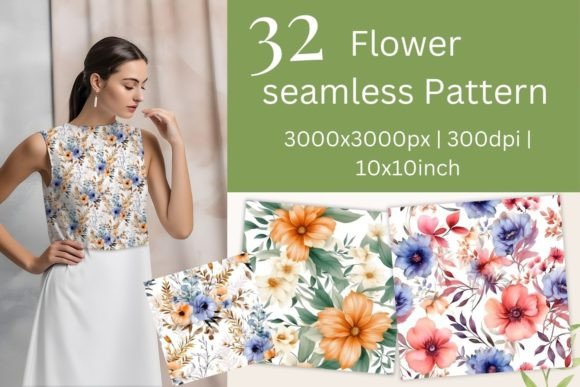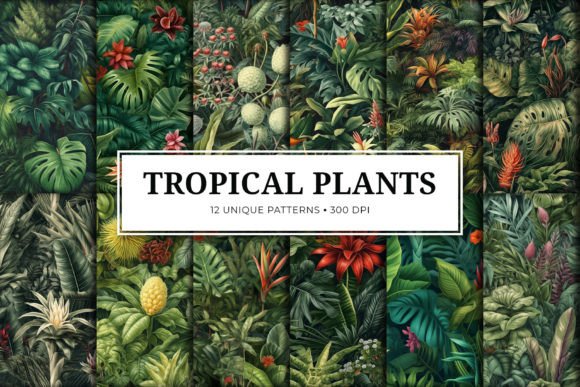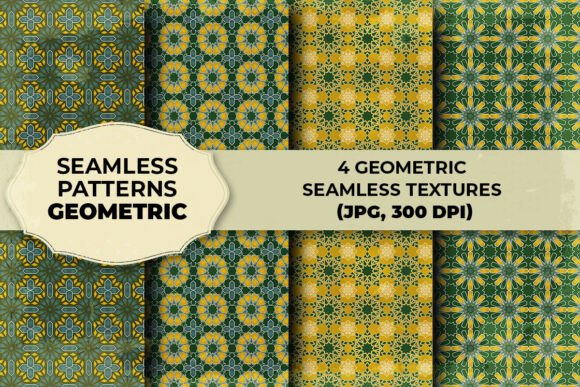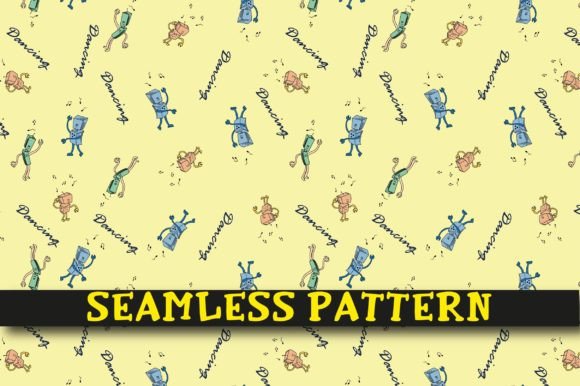
Robot Patterns and You Will Get AI. EPS. Textile Pattern Vector Illustrations for Creative Design
When it comes to design, the right tools can make all the difference. Whether you're crafting fabric prints, creating interior decor, or designing kid's clothes, having access to high-quality vector illustrations is essential. Enter Robot Patterns, a collection of AI-generated EPS textile pattern vector illustrations that offer endless creative possibilities. These patterns are not just visually striking—they’re also highly versatile, making them ideal for a wide range of applications such as seamless patterns, fabric designs, packaging, posters, and more.
Why Robot Patterns Is Worth Considering
Robot Patterns stands out because it combines the power of artificial intelligence with the precision of vector design. Unlike traditional pattern creation methods, which can be time-consuming and limited in scope, AI-driven tools like Robot Patterns allow designers to generate complex, scalable, and customizable designs quickly. This makes it especially valuable for professionals and hobbyists alike who want to streamline their workflow without sacrificing creativity.
These vector illustrations are perfect for use in various industries, including fashion, home décor, and educational materials. The ability to scale without loss of quality ensures that your designs will look sharp on everything from t-shirts to large-scale banners. Additionally, the seamless nature of these patterns means they can be repeated effortlessly, reducing the need for manual adjustments during the design process.
Common Mistakes When Using Robot Patterns
While Robot Patterns offers incredible potential, there are several common mistakes that users often make when first exploring this tool. Understanding these pitfalls can help you avoid unnecessary frustration and ensure you get the most out of your design experience.
- Not checking file formats: One of the biggest oversights is assuming that all files will be in the correct format. Always verify that the patterns you download are in EPS or SVG format, as these are the most suitable for vector-based projects.
- Ignoring resolution requirements: If you're planning to use these patterns for print, make sure the resolution meets industry standards. Low-resolution files can lead to blurry or pixelated results, especially when printed at larger sizes.
- Overlooking compatibility issues: Not all design software supports every file type. Before purchasing or downloading, check whether your preferred design program can open and edit the files seamlessly.
- Failing to test before finalizing: It’s easy to assume that a pattern will work perfectly in your project, but testing it in different contexts—like on fabric swatches or mock-ups—can reveal unexpected issues.
How These Mistakes Can Affect Your Work
Making these mistakes can have real consequences, both in terms of efficiency and the final outcome of your projects. For instance, using an incorrect file format might force you to convert the pattern multiple times, increasing the risk of errors and wasting valuable time. Similarly, ignoring resolution requirements could result in poor print quality, leading to dissatisfaction among clients or customers.
Compatibility issues can also cause delays, especially if you're working under tight deadlines. Testing patterns before finalizing your design ensures that you catch any problems early on, saving you from last-minute revisions and potential rework.
Practical Tips to Avoid Common Pitfalls
To help you navigate these challenges effectively, here are some practical tips to keep in mind when working with Robot Patterns:
- Verify file formats: Always confirm that the files you receive are in the correct format (EPS or SVG) for your intended use.
- Check resolution and scalability: Ensure that the patterns meet the required resolution for your project and test how they scale across different sizes.
- Test in multiple environments: Use the patterns in various contexts, such as fabric samples, digital mock-ups, and print previews, to ensure they perform well in all scenarios.
- Consult documentation: Many Robot Patterns providers offer detailed guides or support resources. Take advantage of these to understand best practices and troubleshooting steps.
- Consider licensing and usage rights: Make sure you're aware of the licensing terms associated with each pattern. Some may be restricted to personal use only, while others can be used commercially.
What to Look For Before Making a Decision
Before investing time or money into Robot Patterns, there are several key factors to consider:
- Quality of the patterns: Review sample images or demos to assess the clarity, detail, and versatility of the designs.
- User reviews and ratings: Look for feedback from other designers to gauge the reliability and effectiveness of the platform.
- Support and community: A strong support system or active community can be invaluable when troubleshooting or seeking inspiration.
- Cost vs. value: Compare pricing models and features to determine whether the investment aligns with your goals and budget.
- Customization options: Check whether the patterns can be edited or modified to suit your specific needs.
By carefully evaluating these aspects, you can make a more informed decision about whether Robot Patterns is the right choice for your creative projects.